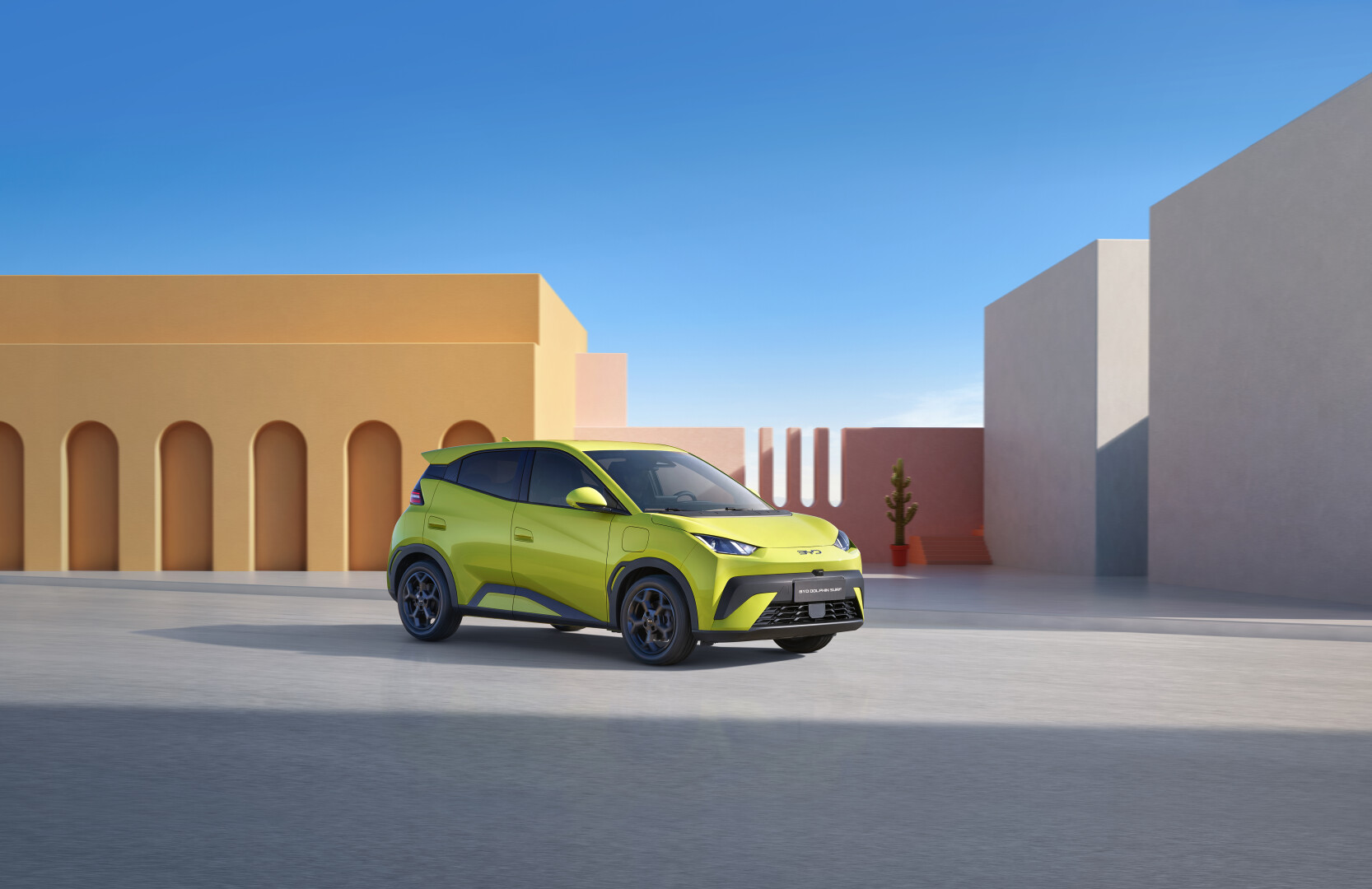
BYD DOLPHIN
Chinese Vehicles, South African Buyers, and the Shifting Tide
Introduction
Welcome back. I have been occupied with various day-to-day responsibilities, which has made life exceptionally busy. Nevertheless, I wanted to update my blog with a post on the increasing number of Chinese-made vehicles currently being sold in South Africa. Chinese manufacturers have come to dominate vehicle sales in recent years. The cost of most used vehicles from premium brands is often comparable to that of a brand-new, better-specified Chinese model, and this has caused significant disruption within the local automotive market.
Background (Before BYD)
Chinese brands first entered South Africa’s automotive landscape in 2006, beginning with the Chery QQ. Here is a blurb from google: ” The 2008 Chery QQ in South Africa was a budget-friendly, entry-level city car (also known as QQ3), famous for being one of SA’s cheapest new cars at launch (around R59,900), available with 0.8L and 1.1L engines, targeting students and first-time buyers, but known for minimal safety features (no ABS/airbags, low safety ratings) and basic build quality, though parts remain available for the used market”.
Old Cherry below


New Cherry model example above.
Local Manufacturing vs. Imports
At the moment, South Africa exports only 1% of the global automotive output. Despite this relatively small share, Chinese manufacturers now have an incentive to build vehicles in South Africa for export to the rest of Africa. From a logistical perspective, shipping a vehicle from South Africa to the United Kingdom or continental Europe is significantly more expensive. Consequently, other automotive hubs tend to capitalise on this advantage, despite geopolitical instability and evolving trade conditions such as recent United States tariff increases on imports and the post-Brexit regulatory environment in the United Kingdom.

South Africa therefore has an opportunity to promote locally made or locally assembled vehicles throughout the African continent. Many emerging African economies, which have experienced substantial growth in the importation of Chinese-manufactured goods—often at unsustainably low prices—now have prospects to participate in manufacturing or assembly processes.
Local Exports
South Africa currently manufactures engines for Volkswagen, and vehicles for Mercedes-Benz, BMW, Nissan, and other manufacturers. Yet this still represents only about 1% of global automotive production. Several measures could be taken to enhance the competitiveness of locally produced automotive products.
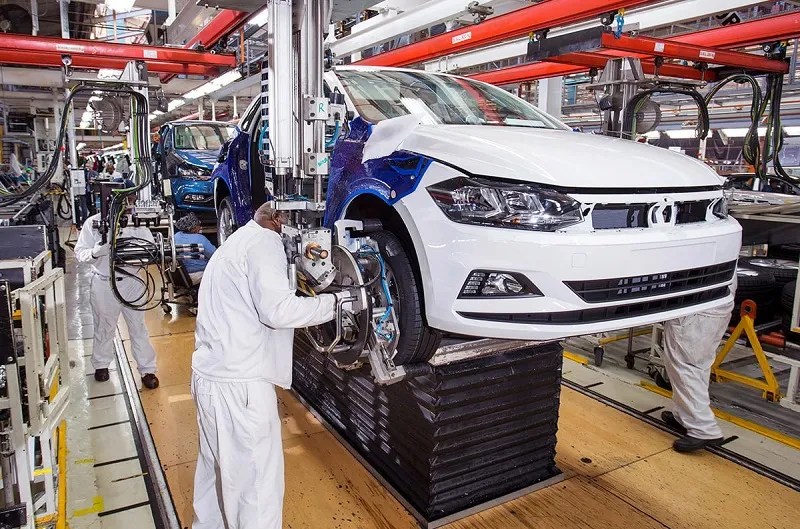
Most South African consumers make vehicle purchases based primarily on price and personal preference, with little consideration for the origin of manufacture. The decline in domestic clothing production across Durban, Cape Town, and Johannesburg illustrates a similar trend: Chinese imports severely impacted local textile mills, leading to their collapse and the loss of more than 120,000 jobs (or more). Although supporting locally made goods is desirable, their cost is often significantly higher than that of Chinese imports—sometimes five to ten times higher.
China’s mass production, and at times overproduction, is not economically sustainable. There has already been a noticeable shift among clothing importers toward sourcing goods from Vietnam and other Southeast Asian countries. A similar dynamic applies in South Africa. Local labour costs, driven by minimum wage requirements, may be four times higher than those in parts of East Asia. Competing on price is therefore not feasible.
Quality, however, remains a viable differentiator. I previously oversaw manufacturing operations in both Germany and China. Although identical raw materials, machining processes, quality control standards, and production schedules were used, the final product quality differed significantly, favouring the German facilities. South Africa must therefore compete on quality, reliability, and what could emerge as a more stable geopolitical posture internationally. This also means that higher United States tariffs on South African exports could pose significant risks, especially to the automotive sector.
Power and Electric Vehicles
Electricity supply appears to be stabilising in South Africa. After many years of unrelenting load-shedding, very few consumers were willing to consider purchasing electric vehicles. Even hybrid petrol–electric models took considerable time to gain traction.
The recent increase in interest in electric vehicles has largely been driven by improved stability in Eskom’s electricity supply. In cities such as Johannesburg, where I live, there has also been substantial growth in solar power installations in both residential and corporate environments.
Even so, the growth of South Africa’s electric vehicle market will take time to match the country’s 12 million vehicles currently on the road. Each individual sale, however modest, should be viewed as a step forward. Prices remain too high for most South Africans, and early adoption will likely be limited to a small minority in each city who are willing to experiment with new technologies. It is also notable that approximately 11 million people rely on minibus taxis daily, none of which are electric. This is an important consideration for any stakeholder funding or supplying the taxi industry in South Africa or elsewhere on the continent.

Regarding electric taxis, the question has already been raised. I can summarise the logic behind a potential shift toward electric vehicles in South Africa as follows (admittedly oversimplified for clarity):
If the social “tipping point” is indeed 14%—as described by Malcolm Gladwell—that would require approximately 860,000 electric vehicles, assuming a national fleet of 12 million vehicles (registered or not).
Trade Cycle
A natural question arises: when will electric vehicles begin to appear on the used-car market? Although the direction of this trend is difficult to predict, South Africans generally exhibit a preference for new vehicles over financial investment. The sales cycle may shorten due to the abundance of choice now available. The number of new brands entering the South African market feels increasingly frequent—up to four new product launches per month, and roughly five new brands per year.
Pricing
The BYD Sealion 5 appears to be one of the most compelling offerings currently available. When a demonstration model becomes available, I will ensure that we conduct a full evaluation. At present, demand from the press for demo units remains high. I must also acknowledge the excellent work being done by online automotive content creators, whom I regard as part of the broader motoring media ecosystem. This includes my x friend , Ciro and my acquaintance Dave from X/Twitter. Keep up the good work!
As an aside: I fully recommend using Cars.co.za when searching for a vehicle; they brought you Ciro, and the least you can do is support them.
Value
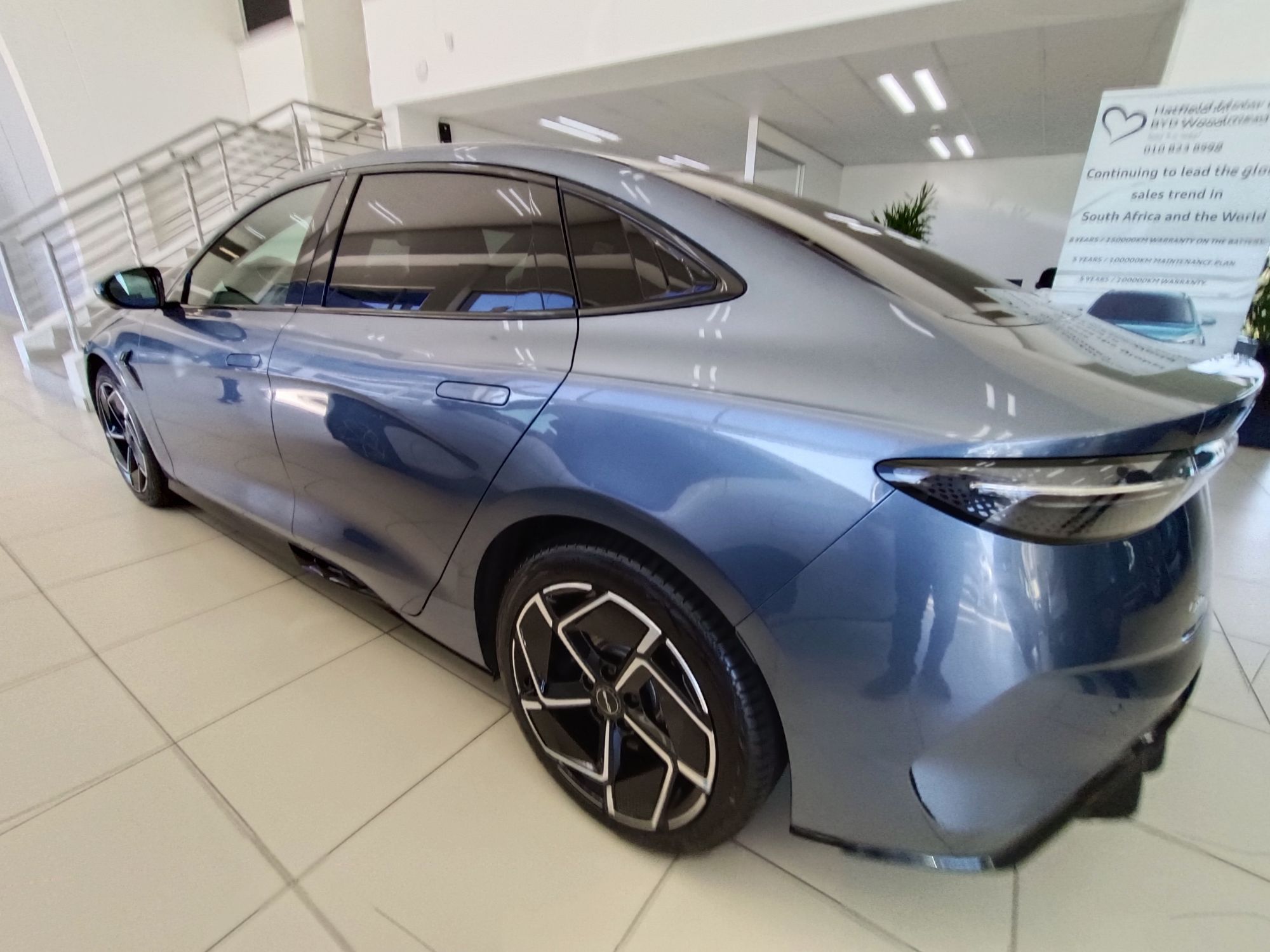
For electric options, BYD PHEV delivers the greatest value. In the Global market, BYD is starting to take over from the dominance of US and EU made electric and electric hybrid brands. The sales of each manufacturer will inform how the market actually perceive them. The trade in sales, will also highlight how much value is left over once a few thousand kilometres have been put on it. Either way, it`s a very exciting time to be looking at a new car if you are, and the options are near endless. My choice for now is BYD (despite our lack of engagement from the brand as a blog).
Final Thoughts
With an easing of inflation, a stabilising economic environment (0.8% GDP growth) (Eighty20, 2025), and relatively normalised interest rates, South Africa is experiencing a steady increase in vehicle sales. It is uncertain how long this trend will continue. South Africa’s geopolitical standing is currently favourable, but pressure from the United States regarding imports and exports—particularly affecting automotive hubs such as Querbha—requires ongoing monitoring.

From a consumer perspective, there has been a noticeable shift in global perceptions of Chinese automotive brands. Their manufacturing quality & reduction of errors is improving at lightspeed. Chinese manufacturers based in SA are now focusing heavily on extended warranty periods, non-intrusive yet effective safety features and meaningful solutions to major concerns, such as, range anxiety. Combined with competitive pricing, this may be the ideal time to purchase a vehicle. I do not anticipate significant changes over the next two months. Check back after January for further updates.
References
[1] https://www.southafricanlabourbulletin.org.za/wp-content/uploads/2021/11/2.-Jobs-destruction-in-SA-clothing-industry.pdf
[3] https://naamsa.net/south-africas-electric-car-sales-surge/
[4] https://www.cars.co.za/
[5] https://www.eighty20.co.za/credit-stress-report/ (Accessed 2025/12/05 at 13:21)
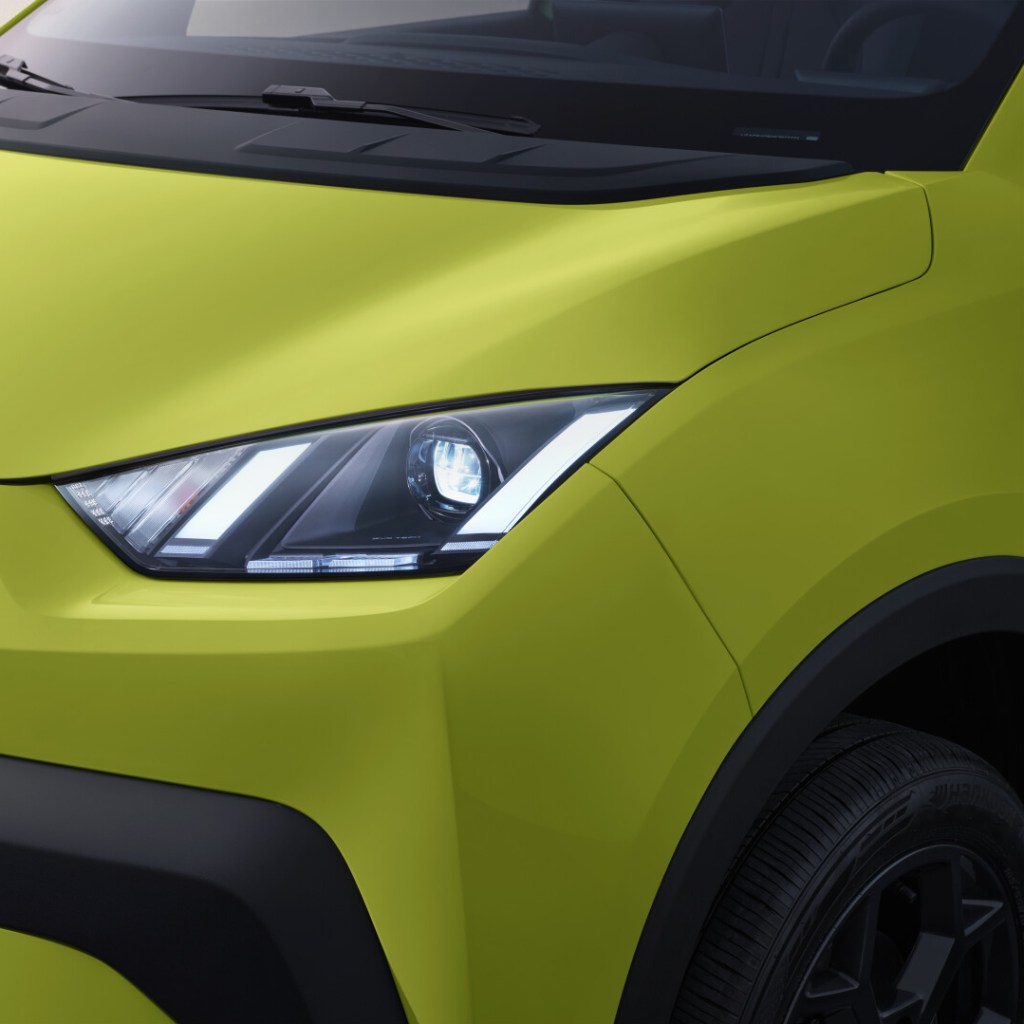
 SA BUYERS GUIDE
Leave a comment